
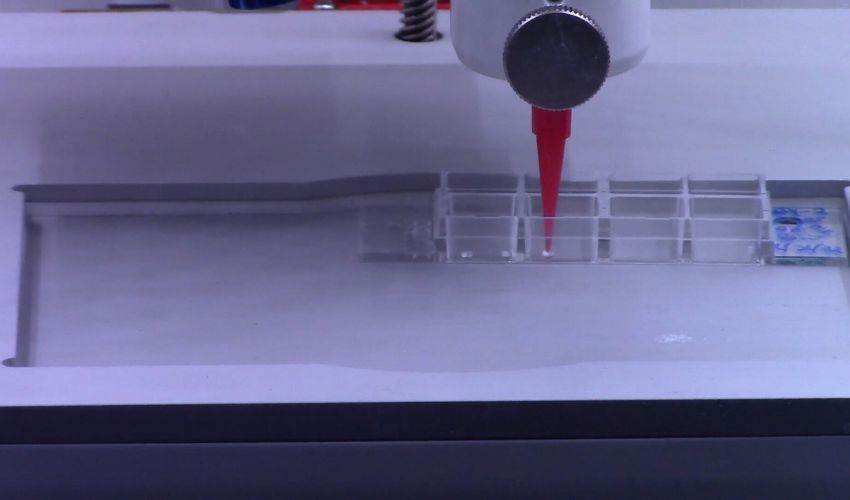
Study Suggests Benefits of 3D Bioprinting In Plant Cell Research
A recent study from North Carolina State University experimented using 3D bioprinting to produce plant cells in order to assess the use of the method in biological research. They produced Arabidopsis- (thale cress; often used in genetic research) and soybean cells. Their 3D-printed cells had adequate viability and went on to produce microcalli (groups of plant tissue), indicating that they were successful productions. These findings suggest that 3D bioprinting could be at least as effective as traditional methods for plant cell reproduction.